Rhadamanthus
A figure connected with Elysium and the judgement tradition; Plato lists him among judges of the dead.
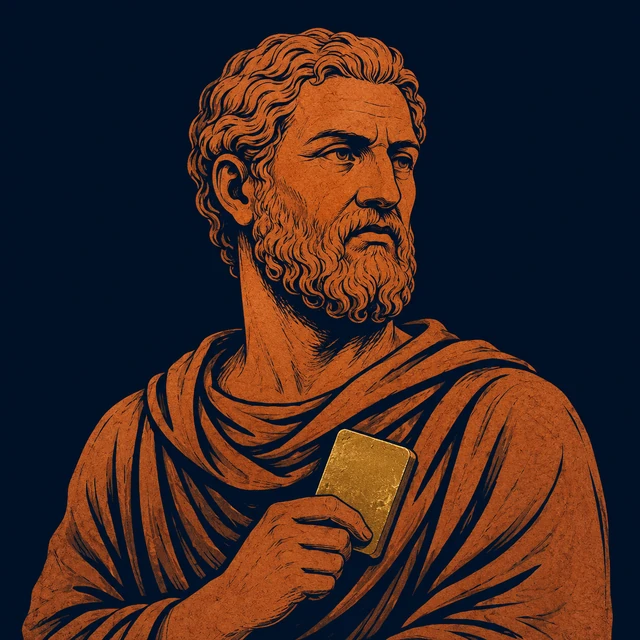
Overview
Rhadamanthus belongs to more than one underworld-adjacent source layer. In Odyssey Book 4, Elysium is described as the region where he is associated with a blessed far destiny; the passage does not yet make him part of a formal tribunal scene. Plato’s Gorgias later places him among the judges of the dead with Minos and Aeacus, using that trio to imagine souls examined after life. These functions remain distinct: Homeric blessed geography on one side, Platonic ethical judgement on the other.
Key facts
Figure near Elysium
Odyssey Book 4 places Rhadamanthus with the image of Elysium.
Judge in Plato
The Gorgias lists Rhadamanthus among judges of the dead with Minos and Aeacus.
Relationships
- Judgement of the Deadjudges the dead
Plato names Rhadamanthus as one of the judges of the dead.
- Elysiumassociated with Elysium
Odyssey 4 links the Elysian plain with Rhadamanthus.
Ancient sources
MythWeave distinguishes ancient-source evidence from later adaptations and modern interpretation.