Patroclus
Achilles’ closest companion, whose death after entering battle in his armour reverses the plot.
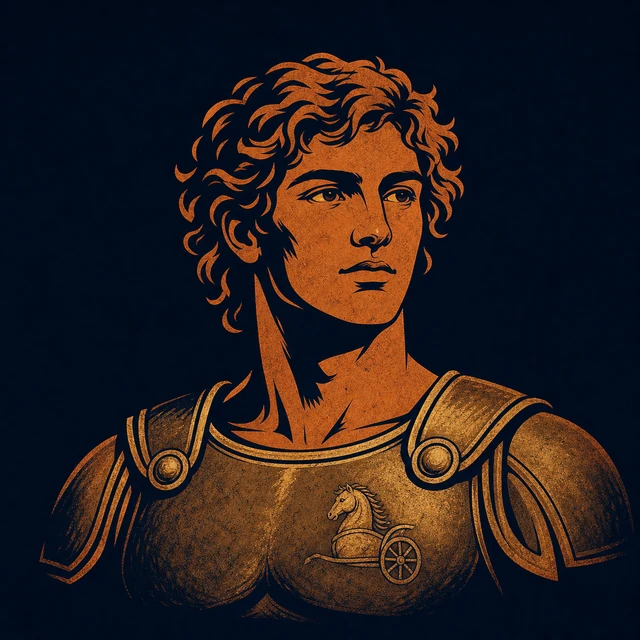
Overview
Patroclus is Achilles’ closest companion and the hinge that turns the Iliad from withdrawal to revenge. Seeing the Achaean ships in danger, he weeps and asks to lead the Myrmidons in Achilles’ armour so that the Trojans will believe Achilles has returned. He saves the ships and kills Sarpedon, but presses beyond Achilles’ instruction to come back. Apollo strips his strength and armour, Euphorbus wounds him, and Hector delivers the final blow. The poem distributes causation among god, fate and several fighters rather than reducing the death to a simple duel. Patroclus’ loss forces Achilles to reconsider honour, companionship and the life he knows will be short.
Key facts
Borrowed identity
Patroclus wears Achilles’ armour and uses the enemy’s fear of Achilles to reverse the battle.
A death with several causes
Apollo, Euphorbus and Hector successively bring about his fall, and Patroclus foretells Hector’s death.
Relationships
- Achillesclosest companion
Patroclus and Achilles share camp, comradeship and profound attachment.
- Achilleslends armour
Achilles permits Patroclus to lead the Myrmidons in his armour.
- Trojan Warleads the Myrmidons
Patroclus uses Achilles’ appearance to reverse the fighting at the ships.
- Apollostrips armour and strength
Apollo strikes Patroclus from behind, stripping his armour and resistance.
- Hectordelivers the fatal blow
Euphorbus first wounds Patroclus; Hector then delivers the fatal blow.
- Achillesdeath brings back to battle
Patroclus’ death makes Achilles set aside the quarrel with Agamemnon.
Story appearances
- The Trojan WarCompanion whose death brings Achilles back
Saves the ships in Achilles’ armour; his death turns the story from honour dispute to grief and revenge.
Ancient sources
MythWeave distinguishes ancient-source evidence from later adaptations and modern interpretation.