Gunnar
Giuki’s son; he woos Brynhild and later becomes involved in Sigurd’s death and Atli’s gold-driven trap.
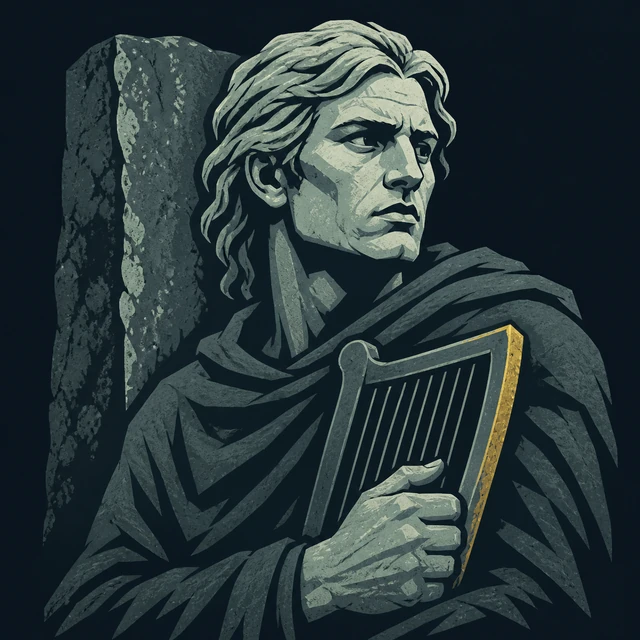
Overview
Gunnar is the Giuking figure who most directly joins wooing-deception to the death decision. Later, Atli’s demand for gold carries him toward death.
Key facts
Woos Brynhild
Chapters XXVI-XXIX connect Gunnar’s wooing with Sigurd’s help.
Further spoiler details are available in the interactive atlas.
Relationships
- Giukifather of
Giuki is Gunnar’s father.
- Brynhildwoos
Gunnar woos Brynhild, but the wooing depends on Sigurd’s help and disguise.
- Sigurdhelps win bride
Sigurd helps Gunnar win Brynhild.
- Sigurd's Deathorders death
Gunnar is involved in the decision to kill Sigurd.
- Atlikills for gold
Atli kills Gunnar for the gold.
- Gudrunwrites warning to
Guthrun warns her brothers in runes, but Vingi falsifies the text.
- Glaumvorwife of
The poem calls Glaumvor Gunnar’s wife.
- Glaumvorwarns
Glaumvor urges Gunnar to turn back through dream images.
- Vingikills
After Vingi admits the trap, the brothers’ party kills him.
- Gudrunfights beside
Guthrun goes out to greet her brothers and joins their fight with a sword.
- Atliorders death of
Atli orders Gunnar cast among serpents.
- Gudrunblames her brother
Guthrun says Gjuki’s sons made her lose her heart’s friend and names Gunnar.
- Gudruncurses his gold
Guthrun says Gunnar’s gold will bring him no joy.
- Sigurdswears oaths with him
Sigurd trusts Gunnar and swears mighty oaths with Gjuki’s sons.
- Sigurdgives Guthrun in marriage
Gjuki’s house gives Guthrun and many jewels to Sigurd.
- Sigurdrides to woo with him
Sigurd rides with Gunnar to woo Brynhild.
- Brynhildthreatens to leave
Brynhild says she will return to her own kin if Gunnar does not dare kill Sigurd.
- Hognirefuses oath-breaking
Hogni says the oaths sworn with Sigurd should not be broken by swords.
- Gotthormselects him to strike
Gunnar says Gotthorm did not enter the oaths and must be roused.
- Brynhildcalls Gjuki’s heirs betrayers
Brynhild says Gjuki’s heirs made her joyless and a breaker of oaths.
- Sigurdaccuses of oath-breaking
Gunnar says Sigurd broke his oaths to him.
- Prophetic Ravenwarns of chains for broken oaths
The raven says their oaths will bind them in chains.
- Brynhildspeaks to him
Brynhild speaks to Gunnar after the killing.
- Brynhildforesees his trouble
Brynhild dreams Gunnar bound and joyless.
- Gudrunrecalls brothers killing her husband
recalls brothers killing her husband
- Atliarranges marriage
arranges marriage
- Atlihas slain her brothers
In speaking to Atli, Guthrun says he has killed her brothers and kinsmen.
- Oddrunloves Gunnar
loves Gunnar
- Atlirefuses their marriage
refuses their marriage
- Atliputs him in the serpent cave
puts him in the serpent cave
- Oddrunhears his harp
hears his harp
- Oddrunsails to save him
sails to save him
- Atli’s Motherkeeps rescue from him
keeps rescue from him
- Oddrunlaments him
laments him
- Knefröthinvites him to the hall
invites him to the hall
- Gudrunwarns with a wolf-hair ring
warns with a wolf-hair ring
- Hogniasks his counsel
asks his counsel
- Atlirides through Myrkwood
rides through Myrkwood
- Atliseizes and binds him
seizes and binds him
- Hognifights for his brother
fights for his brother
- Hjallirecognizes Hjalli’s heart
recognizes Hjalli’s heart
- Atlikeeps the hoard secret
keeps the hoard secret
- Atlicasts him among serpents
casts him among serpents
- Gripirforetells the forgetting draught and proxy wooing
foretells the forgetting draught and proxy wooing
Story appearances
- Sigurd and the VolsungsWooer and doomed brother
Gunnar woos Brynhild, is involved in Sigurd’s death and later dies in Atli’s trap.
- The Greenland Ballad of AtliExisting figure in the longer Atli poem
This poem presents this existing figure with different details.
- Guthrunarkvitha I: A Lament at the BodyFigure or event in the lament at Sigurd’s body
Giuki’s son; he woos Brynhild and later becomes involved in Sigurd’s death and Atli’s gold-driven trap.
- The Short Lay of Sigurd: An Oath-Broken BedsideFigure or event in the Short Lay’s oaths, killing, or dying words
Giuki’s son; he woos Brynhild and later becomes involved in Sigurd’s death and Atli’s gold-driven trap.
- Brynhild’s Hell-Ride: A Defense on the Hel-RoadFigure or event in the Hell-Ride’s Hel-road exchange, memory, or defense
Giuki’s son; he woos Brynhild and later becomes involved in Sigurd’s death and Atli’s gold-driven trap.
- Fragment of a Sigurd Lay: The Outdoor Killing VersionFigure or event in the Fragment of a Sigurd Lay
Giuki’s son; he woos Brynhild and later becomes involved in Sigurd’s death and Atli’s gold-driven trap.
- The Old Lay of Guthrun: Recollection and Ominous DreamFigure or event in the Old Lay of Guthrun
Giuki’s son; he woos Brynhild and later becomes involved in Sigurd’s death and Atli’s gold-driven trap.
- The Third Lay of Guthrun: The Boiling CauldronFigure or event in the Third Lay of Guthrun
Giuki’s son; he woos Brynhild and later becomes involved in Sigurd’s death and Atli’s gold-driven trap.
- The Lament of Oddrun: The Journey and the Failed RescueFigure in the Lament of Oddrun
Giuki’s son; he woos Brynhild and later becomes involved in Sigurd’s death and Atli’s gold-driven trap.
- The Lay of Atli: Ring, Serpents, and RevengeFigure in the Lay of Atli
Giuki’s son; he woos Brynhild and later becomes involved in Sigurd’s death and Atli’s gold-driven trap.
- Guthrun’s Inciting: A Daughter’s Death and Final LamentFigure in Guthrunarhvot
Giuki’s son; he woos Brynhild and later becomes involved in Sigurd’s death and Atli’s gold-driven trap.
- Drap Niflunga: A Bridge between LaysFigure in prose bridge
Giuki’s son; he woos Brynhild and later becomes involved in Sigurd’s death and Atli’s gold-driven trap.
- Gripir’s Prophecy: Asking Fate to Its EndFigure or hoard in Gripisspo
Giuki’s son; he woos Brynhild and later becomes involved in Sigurd’s death and Atli’s gold-driven trap.
Ancient sources
MythWeave distinguishes ancient-source evidence from later adaptations and modern interpretation.
- Anonymous, Volsunga Saga, Chapters XXVI-XXIX, Sigurd at Giuki's court, Gudrun, Gunnar's wooing and Brynhild's grief
- Anonymous, Volsunga Saga, Chapters XXX-XXXII, Sigurd's killing, Gudrun's lament and Brynhild's ending
- Anonymous, Volsunga Saga, Chapters XXXIII-XXXIX, Gudrun weds Atli, Atli seeks the gold, Gunnar and Hogni die, and Gudrun takes vengeance
- Anonymous; translated by Henry Adams Bellows, The Poetic Edda: Gripisspo, Stanzas 20–53: Sigurth presses for what remains; Gripir foretells the forgetting draught, wooing for Gunnar, Brynhild’s anger, and death.