Titanomachy
The divine war in which Zeus's side contests rule with the Titans and confines the defeated faction in Tartarus.
Overview
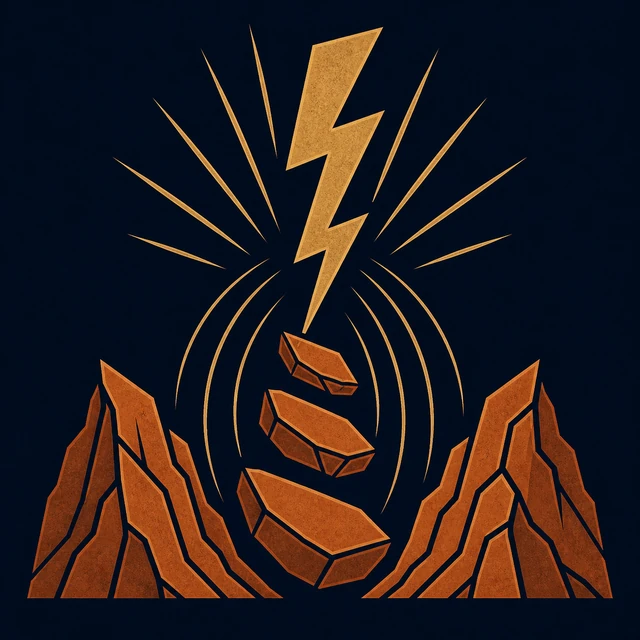
The Titanomachy turns the Theogony's succession crisis into a prolonged conflict between two divine camps. Hesiod locates them at Olympus and Othrys and links Gaia's counsel, the release of the Hundred-Handers, Zeus's thunder and three hundred stones into the decisive sequence. Pseudo-Apollodorus separately supplies ten years, Campe, three weapons and division by lot. The two accounts remain side by side instead of being blended into one universal narrative.
Key facts
Camps on two mountains
Hesiod places Zeus's side on Olympus and the Titan gods on Othrys.
Further spoiler details are available in the interactive atlas.
Relationships
- Zeusparticipates and drives the climax
Zeus drives the Titanomachy's climax with thunder.
- Cronusopposes in the war
Pseudo-Apollodorus explicitly has Zeus wage war against Cronus and the Titans.
- Titansparticipate in
The Titan gods participate from the Othrys side.
- Hundred-Handersjoin the decisive battle
The Hundred-Handers join the front rank of the decisive battle after release.
- Mount OlympusZeus's side holds
Zeus's side fights from Olympus.
- Mount Othrysthe Titans hold
The Titan gods fight from Othrys.
Story appearances
- The TitanomachyThe divine war in which Zeus's side contests rule with the Titans and confines the defeated faction in Tartarus.
The divine war in which Zeus's side contests rule with the Titans and confines the defeated faction in Tartarus.
- Olympian OrderFigure or event appearing in Olympian Order
Figure or event appearing in Olympian Order within the family, honours or council order that follows Zeus' victory.
Ancient sources
MythWeave distinguishes ancient-source evidence from later adaptations and modern interpretation.
- Hesiod, Theogony, Lines 617–653: prolonged war, the Olympus and Othrys camps, Gaia's counsel to free the Hundred-Handers, and Zeus's invitation to fight
- Hesiod, Theogony, Lines 687–735: Zeus' thunder, cosmic upheaval, three hundred stones, and the Titans defeated and bound
- Hesiod, Theogony, Lines 807–819: the Titans dwelling beyond the gates and the later stations of Cottus, Gyes and Briareus
- Hesiod, Theogony, Lines 820–852: Typhoeus is born and threatens Zeus's rule