Orpheus
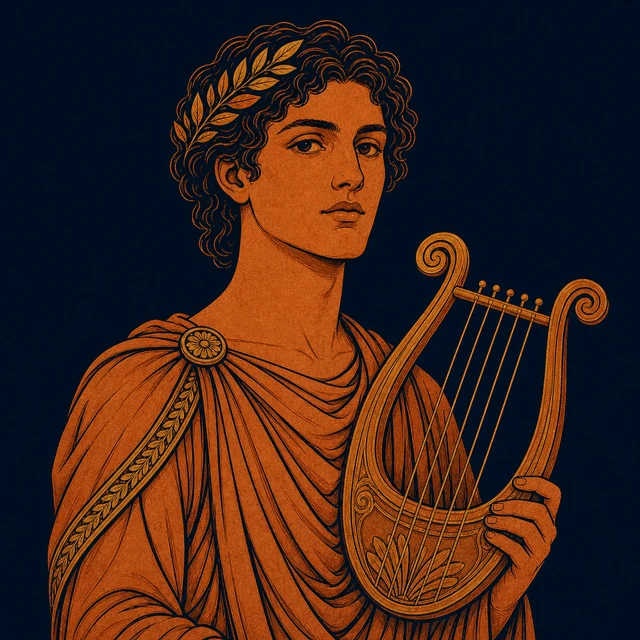
Singer who descends for Eurydice after moving the world with music but fails the condition against looking back.
Overview
Pseudo-Apollodorus presents Orpheus as a Thracian singer whose art moves stones and trees. After his wife Eurydice dies from a snakebite, he enters the realm of Hades for her and persuades Persephone to allow a return. The condition is that he must not look back before leaving; he fails to obey, and Eurydice remains below again. This version comes from the Bibliotheca, not Odyssey 11.
Key facts
Song that moves stone and trees
Pseudo-Apollodoran accountThe Bibliotheca characterises Orpheus’ music as able to move stones and trees.
Further spoiler details are available in the interactive atlas.
Relationships
- Orpheus Descends to Hadesdescends while alive
Orpheus enters the realm of Hades for Eurydice.
- Eurydicedescends for her
After Eurydice dies, Orpheus descends in an attempt to recover her.
- Eurydicelooks back and loses her
Orpheus looks back before leaving and Eurydice remains below again.
- Argonaut Expeditionjoins the expedition
Orpheus joins through song and later counters the Sirens.
- Sirenscounters with lyre-song
Orpheus quickens his lyre-song and sings loudly, keeping most of the crew at their oars.
Story appearances
- Gates of the UnderworldSinger descending for his wife but failing the no-look condition
Singer descending for his wife but failing the no-look condition, part of the Underworld story's crossings, losses, judgments or guarded spaces.
- The ArgonautsOrpheus in the Argonaut expedition
Orpheus enters this story through the Argonaut expedition; other versions are handled where their own episodes call for them.
Ancient sources
MythWeave distinguishes ancient-source evidence from later adaptations and modern interpretation.