Medea
The Colchian princess who supplies charm, strategy and return-voyage power amid divine intervention and her own choices.
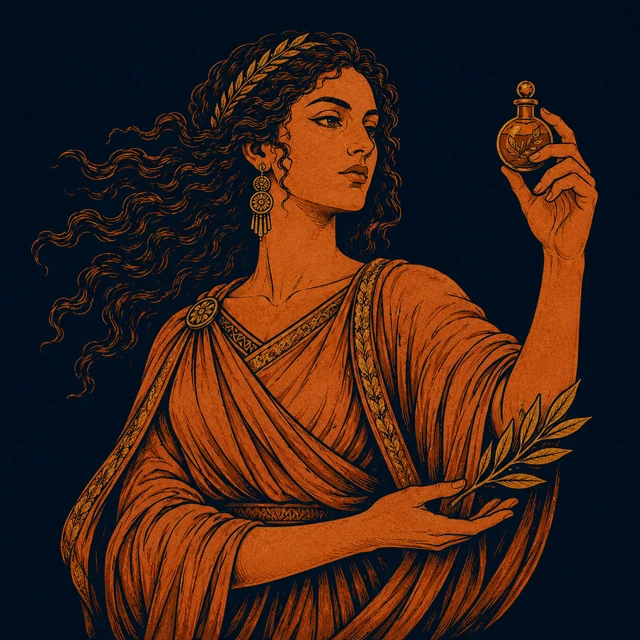
Overview
Eros’ arrow produces intense pain and desire, yet the Argonautica still gives Medea prolonged deliberation over father, sister, reputation, death and flight. She chooses to help Jason, and the trial is completed; she also joins the plot against her brother and finally brings down Talos in Crete.
Relationships
- Erosstrikes with desire
Eros secretly strikes Medea, producing burning desire and pain for Jason.
- Hecateserves as priestess
Medea serves as Hecate’s priestess in Colchis and knows the associated rites.
- Jasongives charm and strategy
After deliberation, Medea personally gives the charm and explains the full method of the trial.
- Yoking the Fire-Breathing Bullsinstructs ritual and stone tactic
Medea explains how to invoke Hecate, resist fire, plough and turn the earthborn warriors against one another.
- Jasonguides to the Fleece grove
Medea leads Jason into Ares’ grove at night to face the dragon.
- Colchian Dragonsubdues with song and drugs
Medea uses invocation, song and drugs to overcome the dragon’s vigilance.
- Colchisflees her father’s land
Medea leaves the palace and boards Argo when Aeetes plans to destroy the ship.
- Apsyrtuslures away with a private proposal
Medea sends a proposal that draws Apsyrtus to meet alone near the temple.
- Circepurifies
Circe also purifies Medea, who helped lure her brother.
- Talosbreaks the ankle seal through deception
Medea destabilises Talos with destructive visions or deception until his ankle vessel ruptures.
Story appearances
- The ArgonautsMedea in the Argonaut expedition
Medea enters this story through the Argonaut expedition; other versions are handled where their own episodes call for them.
Ancient sources
MythWeave distinguishes ancient-source evidence from later adaptations and modern interpretation.
- Apollonius Rhodius, Argonautica, Book 3.6–110: Hera, Athena, Aphrodite and Eros plan
- Apollonius Rhodius, Argonautica, Book 3.471–1162: Medea deliberates, meets Jason and provides charm and instructions
- Apollonius Rhodius, Argonautica, Book 4.6–211: Medea flees, the dragon is subdued and the Fleece is taken
- Apollonius Rhodius, Argonautica, Book 4.294–551: Apsyrtus pursues, is lured and killed
- Apollonius Rhodius, Argonautica, Book 4.1638–1781: Talos, Anaphe and return to Pagasae
- Apollonius Rhodius, Argonautica, Book 3.1163–1407: Hecate rite, fire-breathing bulls and earthborn warriors
- Apollonius Rhodius, Argonautica, Book 4.552–981: Zeus’ storm, Circe’s purification, Sirens and strait hazards
- Apollonius Rhodius, Argonautica, Book 4.982–1169: Colchian reclamation and the marriage decision
- Apollonius Rhodius, Argonautica, Book 4.1170–1637: Syrtes, carrying Argo and Triton’s guidance