Epimetheus
Brother of Prometheus who accepts Zeus’s gift of Pandora despite the warning and understands the consequence only afterwards.
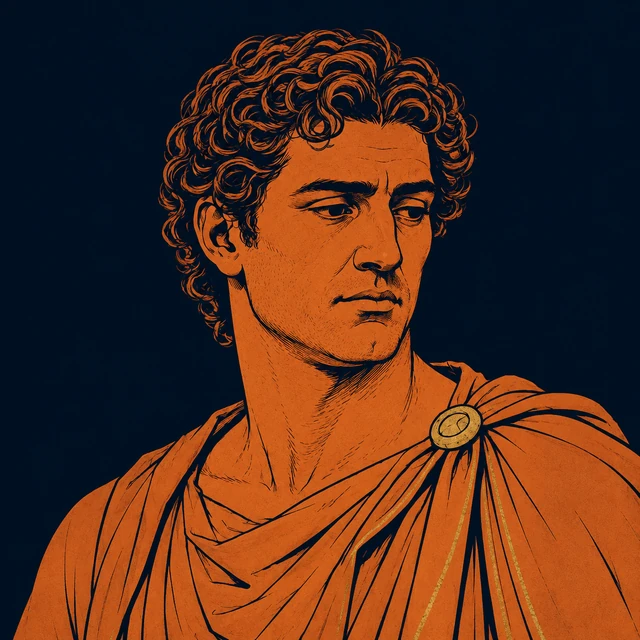
Overview
Epimetheus is a son of Iapetus and brother of Prometheus; his name is commonly read as “Afterthought.” In Works and Days, Prometheus warns him never to accept a gift from Zeus, yet he receives Pandora when Hermes brings her and recognises the danger only after the consequence unfolds. Hesiod structures the brothers as a contrast between foresight and understanding too late: Prometheus anticipates and resists, while Epimetheus allows Zeus’s response to enter mortal life. This is a source-specific narrative function in Hesiod’s poem rather than a complete personality diagnosis in modern terms.
Key facts
A son of Iapetus
The Theogony lists Epimetheus among the four sons of Iapetus, beside Atlas, Menoetius and Prometheus.
The warning ignored
Hesiod, Works and Days traditionPrometheus tells him to reject Zeus’s gift; Epimetheus accepts Pandora and perceives the trouble only afterwards.
Relationships
- Prometheuswarns against Zeus’s gift
Prometheus warns Epimetheus in advance not to accept any gift sent by Zeus.
- Zeussends Pandora as a gift
Zeus sends Hermes to bring Pandora to Epimetheus as a gift.
- Pandoraaccepts Zeus’s gift
Epimetheus disregards his brother’s warning and accepts Pandora.
Story appearances
- Olympian OrderThe figure of afterthought who accepts Pandora despite the warning
Epimetheus does not follow Prometheus’ warning and accepts Pandora, recognising the danger only after the consequence unfolds.
Ancient sources
MythWeave distinguishes ancient-source evidence from later adaptations and modern interpretation.