Aeacus
One of the judges of the dead in Plato’s Gorgias, listed with Minos and Rhadamanthus.
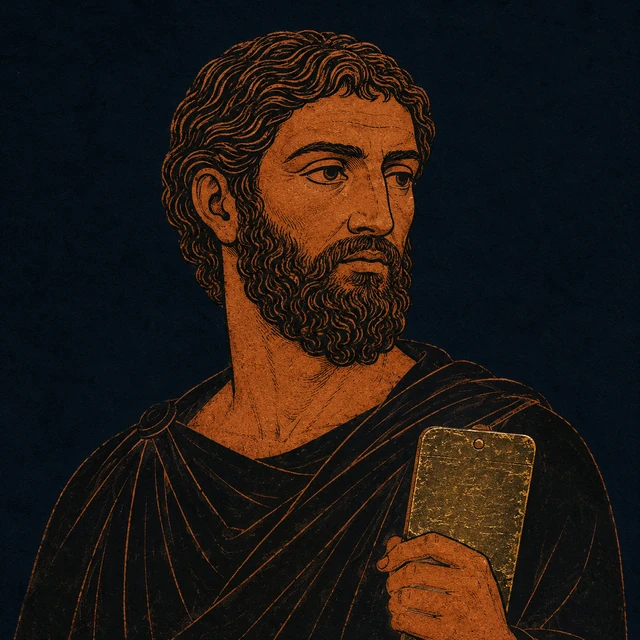
Overview
Aeacus is treated here through his explicit role in Plato’s Gorgias, where he appears with Minos and Rhadamanthus among the judges who examine souls after death. The source uses him inside a philosophical image of postmortem accountability, not as a full retelling of every heroic or dynastic tradition attached to Aeacus. Within the underworld tradition, his importance is functional: he helps show judgement as an ordered, named process. Broader Aeacid genealogy and heroic-family material should remain separate content, not silently absorbed into this underworld role.
Key facts
One of the judges
The Gorgias includes Aeacus in the list of postmortem judges.
Listed with Minos and Rhadamanthus
Plato’s text forms an ethical afterlife order from the three judges rather than the same scene as Homer’s Odyssey.
Relationships
- Judgement of the Deadjudges the dead
Plato names Aeacus as one of the judges of the dead.
Ancient sources
MythWeave distinguishes ancient-source evidence from later adaptations and modern interpretation.